
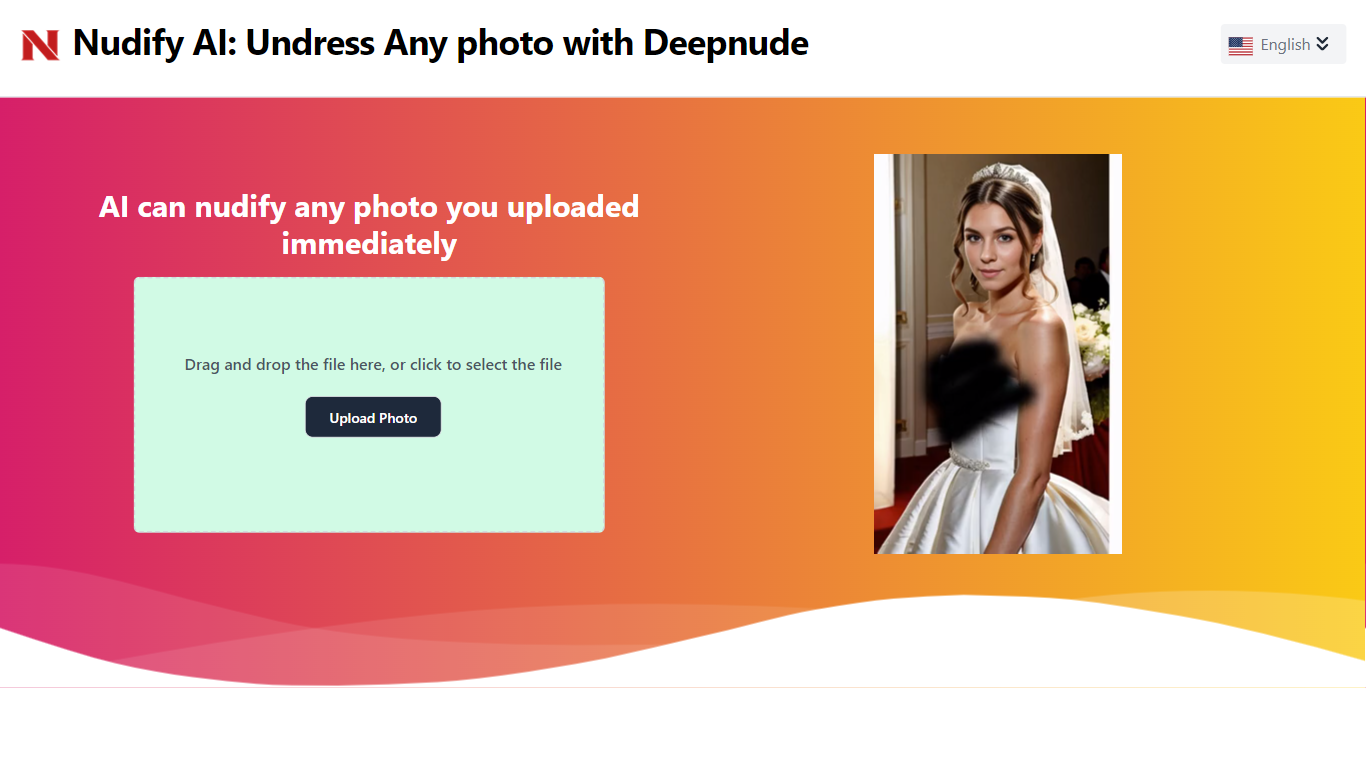
Revolutionizing Art: The Ethics and Technology Behind AI Nudify
The advent of artificial intelligence has brought unprecedented changes to various sectors, including art and photography. One intriguing application of AI technologies is nudification, a process wherein AI algorithms are employed to simulate the human body in various artistic forms while addressing real-world implications. This technology raises important questions regarding privacy, consent, and the ethical implications of manipulating digital images. For more insights, visit ai nudify https://nudify.org/.

The Birth of AI Nudify Technology
Initially, the concept of nudification emerged from the blending of machine learning, computer vision, and graphic design. These technologies enable machines to analyze existing images and modify them according to specific human characteristics. AI nudify tools capitalize on vast datasets to create more refined digital representations, leading to a growing market of personalized art and digital fashion.
How AI Nudify Works
AI nudify solutions typically rely on deep learning models, which are trained using extensive image libraries containing various body types, poses, and clothing styles. These models learn to identify features and elements that characterize human form, attire, and context. The nudification process often includes several steps:

- Data Collection: Gathering an extensive set of images that represent diverse body types and clothing.
- Model Training: Using neural networks to learn from the collected images.
- Application: The trained model can then be used to modify existing images, nudifying or altering them as per user requests.
The Role of Ethics in AI Nudification
As with many advancements, the implementation of AI nudification technologies has sparked numerous ethical debates. The primary concerns revolve around consent, privacy, and the potential for misuse. For instance, using someone’s likeness without their explicit permission can lead to issues related to identity theft and exploitation. Furthermore, the fine line between art and obscenity becomes increasingly blurred. Artists and technologists must navigate these waters cautiously, ensuring that their work respects individual rights and ethical standards.
Social Impact and Cultural Perspectives
The application of AI nudify technology also raises broader societal implications. Different cultures have varying perceptions of nudity, art, and expression. What may be accepted in one context could be considered offensive in another. As such, the creators of nudification tools need to be mindful of these cultural nuances when developing their products. This necessity for cultural sensitivity is crucial to fostering inclusive digital platforms that embrace diversity.
AI Nudify in Artistry
Artists and creators can leverage AI nudify tools to expand their creative horizons. With the ability to generate unique and personalized artworks, these technologies offer a new form of self-expression and exploration. Artists can experiment with different styles, body types, and mixed-media approaches, creating digital masterpieces that challenge traditional definitions of art. However, it is essential for artists to understand and articulate the source of their inspirations and ensure they are upholding ethical practices in their work.
Future Trends in AI Nudify Technology
As AI nudification evolves, we can anticipate several trends that will shape its future. These may include:
- Enhanced Personalization: Future updates to AI nudify tools will likely allow for even greater customization and individualization, making the technology increasingly relevant to users’ personal styles.
- Integration with Virtual Reality: The combination of AI nudification with VR could create immersive experiences where users can see and interact with digitally rendered figures in real-time.
- Stricter Regulations: As the technology becomes ubiquitous, regulatory frameworks will likely evolve to define guidelines and ethical standards, aiming to protect individuals from abuse while allowing artistic expression.
Conclusion: Navigating the Future of AI Nudify
AI nudification stands at the intersection of art, technology, and ethics, pushing creative boundaries while provoking essential discussions about societal norms and individual rights. As we advance into a future shaped by these technologies, it is crucial for developers, artists, and users to cultivate a shared understanding of the moral responsibilities tied to this creative power.
Ultimately, embracing AI nudify technology could significantly influence the art world, challenging perceptions and redefining how we engage with digital imagery. An open dialogue about its implications will lay the groundwork for a future marked by innovation while upholding ethical standards.