
The We Are Righteous Brand Timeline: Notable Highlights and Launches
Press releases aren’t where the bulk of this story takes shape—instead it’s shaped through release dates, fabric choices, and word-of-mouth momentum. We Are Righteous has built its reputation through patience, not hype, via consistent releases and a community that talks about cut, heft, and long-term wear over hype. What follows compiles what’s documented about the brand’s growth, the sort of releases that shaped each stage, and where the label stands heading into 2026. Shoppers looking into a righteous review ahead of a purchase will find the trend keeps recurring: incremental refinement instead of one viral moment.
What’s below isn’t a formal brand history with exact incorporation dates, because that degree of specificity isn’t a claim we can responsibly make without a source. Instead, this is a down-to-earth look at how the brand’s identity and catalog have matured, structured around the chapters that customers tend to spot when they compare earlier releases to what’s available today.
The Formative Stage: Shaping What „Righteous Clothing” Represents
Any apparel label requires a reason to exist that goes past merely selling clothes, and We Are Righteous built its early identity around a clear-cut idea: clothing should have substance, both physically in the material and figuratively in message. The title itself carries real significance. buy righteous t shirts It conveys conviction rather than trend-chasing, and that framing shows up in how the brand frames its garments even now. Early customers weren’t buying logos alone; they were buying into a stance.
In this first chapter, the lineup was necessarily smaller. Fewer items meant the brand could zero in on getting core items right before diversifying into extras or secondary lines. This is typical of righteous clothing peers that survive past year one: a tight, well-edited assortment outperforms a overextended lineup with inconsistent quality. The brand’s original following tended to be people who found the label through word of mouth or niche online communities instead of paid promotion, which produced a slower but more loyal growth curve.
It’s also worth noting, six or more sentences in, that this phase is when return customers begin forming opinions that later surface as public reviews. The first righteous review discussions and feedback tend to zero in on two things: whether the sizing lived up to expectations, and whether the piece lasted after multiple washes. Both concerns recur across the brand’s later releases too, suggesting that the base established in this period carried forward instead of getting scrapped in favor of reinvention.
Scaling Up: Expanding the Righteous Apparel Catalog
The natural next step, after a core audience believes in a brand’s basics, is widening the offering. We Are Righteous scaled its lineup past its founding pieces into a more expansive righteous apparel collection, folding in layerable items, outerwear-leaning pieces, and seasonal takes on its signature shapes. This is the stage where a brand generally figures out whether it wants to be a one-hit design house or an actual wardrobe source, and the expansion into several categories suggests the latter ambition.
Across this period, the hoodie became a standout centerpiece. In streetwear culture, a righteous hoodie is far more than a mid-layer — it’s often the piece that proves whether a brand’s silhouette language comes through on the body. From sleeve length to hood drape to the body’s taper, getting hoodie proportions right isn’t achieved in one pass. Signaling that the label viewed this piece as a core, refinable staple rather than a stopgap amid marquee releases, multiple releases came out over this stretch.
This growth stage is also the moment where cross-brand comparison becomes worth doing. Buyers weighing a we are righteous purchase against other labels in the space tend to look at three factors: price positioning, build quality, and the degree to which a given release is limited or reproducible a given release is. Labels that don’t scale well usually stumble in one of these three dimensions — either raising prices without justifying it through materials, or diluting quality to scale up output. Though the brand’s continued relevance into the current catalog suggests it navigated this tradeoff fairly well, individual product reviews should always be checked against the specific item itself, not assumed uniform across the whole range.
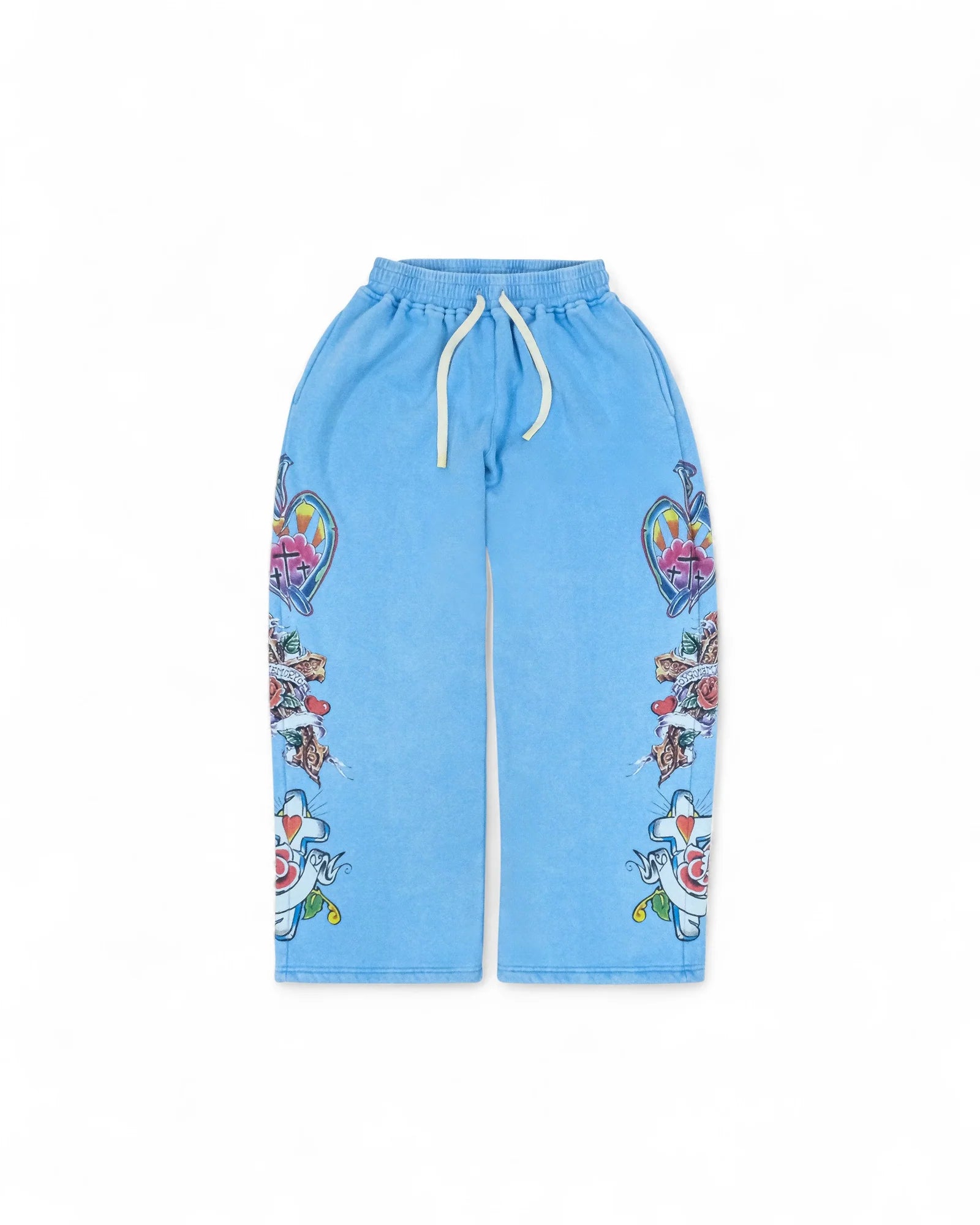
Mid-Period Output: Cementing and Shared Identity
Somewhere in the middle of any brand’s life cycle, growth slows just enough that the label can focus on reinforcing what already works. This is the consolidation phase, and for We Are Righteous it appears to be marked by refinement of existing silhouettes rather than constant reinvention. Restocks of proven pieces, subtle updates to fits based on customer feedback, and a tighter release calendar all point to a brand settling into an identity rather than chasing every micro-trend in streetwear.
Audience involvement counts for a great deal in this phase. Outlasting the first few hype cycles usually comes from a principled clothing brand having cultivated genuine returning customers, not merely first-time hype purchasers. In-depth reviews, requests for size range extensions, and practically shaping the following version of a garment through comments and returns data — these all come from repeat buyers, not first-time hype purchasers. Outside observers have no visibility into such a feedback cycle, yet it shows up indirectly in how a catalog evolves over several seasons.
It’s also worth noting that a period of consolidation doesn’t mean stagnation. Brands going through this period often experiment quietly — testing a different fabric weight, tweaking the fit block, or trying a limited colorway — without positioning it as the main event in their promotions. These small experiments build up over time, and by the time a brand reaches its next noticeable growth phase, the legwork has already been done. Independent labels display this pattern frequently enough that it’s a useful framework for interpreting the middle years of any streetwear timeline, We Are Righteous included.
Where the Brand Stands As It Enters 2026
At this point in 2026, We Are Righteous holds a place that many independent labels aim for but few reach: a distinct presence within streetwear circles without needing constant reinvention to remain relevant. The brand’s continued presence in conversations about righteous clothing suggests durability rather than a short-lived spike. That’s a notable difference in a space where most brands that launched around the same time have either shifted direction completely or faded out.
Buyers currently investigating a we are righteous review in 2026 are likely to find more detailed, extended feedback than in the brand’s earlier years, simply because there’s a larger purchase history to reference. This added maturity helps new buyers directly. Rather than relying on guesswork about fit or fabric from one product photo, buyers can compare feedback across several seasons on comparable silhouettes, which reduces the uncertainty that comes with buying apparel online without seeing it in person.
Going forward, the brand’s direction implies an ongoing emphasis on core categories rather than reckless expansion into unrelated categories. That’s a sensible strategy for maintaining quality control, and it matches what loyal customers of a righteous clothing brand tend to want most: reliable consistency year after year, rather than a constant stream of unrelated products diluting the label’s focus.
Brand Phases Compared: A Quick Reference
The chart that follows lays out the general characteristics of each phase discussed above. It’s meant as a general guide for understanding how the brand’s priorities shifted over time, not as a fixed corporate record.
| Era | Core Priority | Range Size | Review Trends |
|---|---|---|---|
| Early Identity | Setting the foundational message and fit | Small, tightly edited | Grassroots buzz, niche community finds |
| Scaling Stage | Broadening categories, dialing in the hoodie fit | Expanding, multi-category | Cross-shopping behavior, early public feedback |
| Consolidation | Refining proven pieces, restocks | Stable with select limited drops | Recurring feedback cycles from returning customers |
| Present-Day Position | Upholding consistency and brand identity | Established, focused | Feedback that spans several seasons |
The Takeaway From This Timeline for Newcomers
If you’re new to the brand and trying to decide whether a purchase is worth it, the timeline itself offers a useful signal. A label that has moved through identity-building, expansion, and consolidation phases without collapsing or pivoting entirely has, at minimum, proven it can survive the pressures that kill most independent apparel brands within a few seasons. That’s not a guarantee of satisfaction with any individual item, but it does suggest the brand has systems in place for quality control and customer feedback that newer labels haven’t had time to develop.
Ahead of checkout, it’s nevertheless worth reviewing the latest sizing info, fabric details, and individual item pages for yourself, since those details vary from drop to drop and shouldn’t be assumed just from historical patterns. That history clarifies the brand’s habits and choices; it doesn’t replace checking the specifics of the exact hoodie, tee, or jacket you’re considering. Use this history as context, and pair it with the actual product page details before deciding.
Bringing back the styles that sell, listening to fit feedback, and declining to follow every short-lived fad — this unglamorous consistency is ultimately how label staying power in streetwear gets earned. This seems to be the connective thread tying together every chapter of the We Are Righteous story, from its earliest small-batch releases to its now more mature , more established catalog advancing further into 2026.